Clinical Photography Guide: Techniques for Documentation
Published 17 April 2025 | Reviewed 27 January 2026

In this post:
- Clinical photography is essential across all medical specialties for documentation, patient communication, treatment planning, and legal protection.
- High-quality clinical photos establishes professionalism, build patient trust, support treatment documentation, and offer protection in legal or complaint scenarios.
- Use a DSLR camera with a macro lens, consistent lighting, uniform backgrounds, and standardised angles and distances to ensure reproducible and professional results.
- Aesthetic medicine has unique photography requirements including capturing subtle changes, dynamic facial expressions, and three-dimensional contours.
Clinical photography represents a cornerstone of modern medical practice. Whether you’re documenting wound healing, tracking treatment outcomes, or demonstrating surgical results, your photography skills directly impact patient care, communication, and professional credibility.
In aesthetic medicine specifically, where visual results define treatment success, photography becomes even more critical. As we often say here at the Smileworks Aesthetic Training HUB, an aesthetic practitioner is only as good as their clinical photos.
This comprehensive guide covers clinical photography principles applicable across medical specialties, with particular focus on the unique requirements of aesthetic medicine. Whether you’re just starting out in your medical career or you’re looking for ways to elevate your practice, mastering clinical photography photography is essential in today’s visually-driven healthcare environment.
Why Clinical Photography Matters
1. First Impressions Count
For aesthetic practitioners in particular, potential patients form impressions about your skills within seconds of seeing your work. High-quality clinical photos signal that you’re detail-oriented, professional, and care deeply about your results.
When patients view your portfolio, they immediately judge your skill level. Poor-quality images suggest carelessness, while crisp, well-compost photos inspire confidence and trust in your skills. If you come from a medical background, you might already have clinical photography skills. Aesthetic photography is a natural extension of these skills.
For all medical specialties, quality clinical photography demonstrates:
- Attention to detail in your clinical work
- Commitment to thorough documentation
- Professional standards and competence
- Respect for evidence-based practice
2. Effective Patient Management
Clear documentation of your patients’ journeys helps manage expectations and demonstrates their progress throughout. Many patients quickly become accustomed to their new appearance or healed condition and may forget their starting point. Their before photos can remind them of just how much progress they have made.
In aesthetic practice specifically, Remember that unrealistic expectations are the primary enemy of facial aesthetics and the root cause of most complaints. Comprehensive photographic documentation is your most effective tool for managing these expectations and proving the value you’ve provided their lives.
3. Treatment Planning & Clinical Decision-Making
Clinical photographs serve as vital tools for:
- Multidisciplinary team discussions
- Tracking disease progression or treatment response
- Planning surgical or interventional procedures
- Comparing outcomes against baseline measurements
- Identifying subtle changes that may not be apparent clinically
In aesthetic medicine, photography enables detailed facial analysis, treatment planning for multiple sessions, and assessment of symmetry and proportions that inform injection strategies.
4. Micro-Legal Protection
Quality clinical photos form a critical part of your patient documentation and risk management strategy. They provide crucial evidence should any complications or complaints arise. As an expert witness in legal proceedings for medical aesthetics, HUB lead instructor and founder Dr MJ has seen numerous cases where poor quality clinical photographs have significantly undermined a practitioner’s defense.
Remember, the way you approach any aspect of your clinical work reflects how you approach everything. Detailed photographic documentation demonstrates your commitment to excellence and provides invaluable protection should disputes arise.
Understanding the Unique Requirements of Aesthetic Clinical Photography
While general clinical photography principles apply across medical specialties, aesthetic medicine presents distinct challenges:
Capturing Subtle Changes: Unlike documenting obvious pathology (wounds, lesions, surgical sites), aesthetic photography must capture millimetre-level changes in facial contours, fine lines, and skin texture. This demands higher resolution, better lighting control, and more precise standardisation.
Three-Dimensional Documentation: Aesthetic treatments alter facial volume and structure in three dimensions. Effective documentation requires multiple standardised angles (front, oblique, profile) to comprehensively capture these changes.
Dynamic vs. Static Assessment: Facial aesthetic treatments often affect movement and expression. Neurotoxin treatments, for example, require documentation both at rest and during facial animation to properly assess outcomes.
Marketing vs. Clinical Documentation: Aesthetic practices uniquely use clinical photographs for both medical documentation and marketing purposes. This dual purpose demands even higher standards while maintaining strict ethical and consent protocols.
Essential Equipment for Professional Before and After Photos
Camera Selection
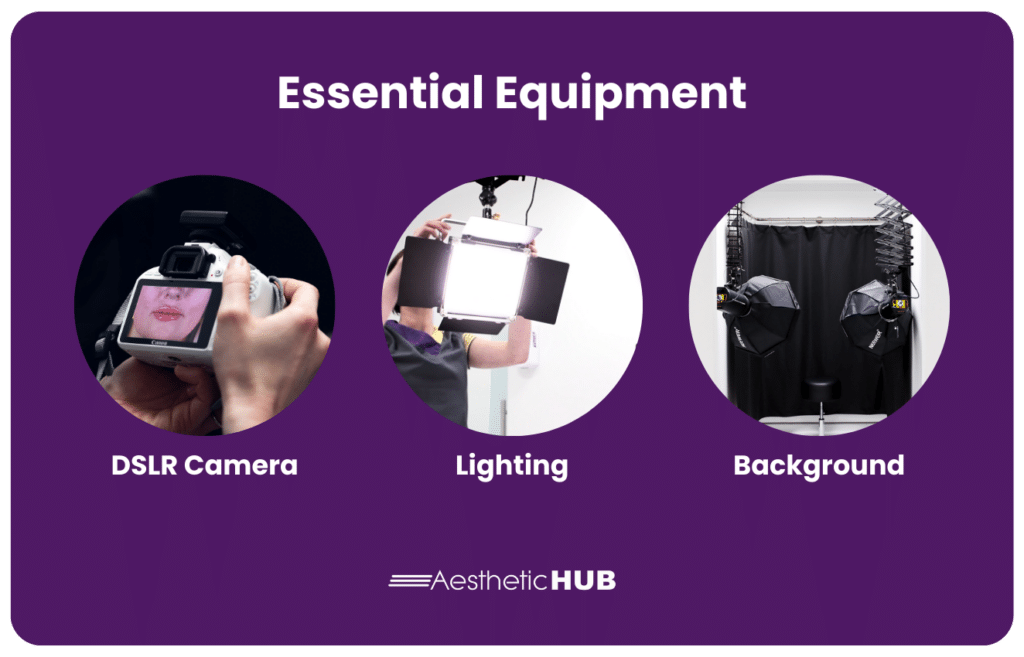
For professional clinical photography, a dedicated DSLR camera with a macro lens represents the gold standard across medical specialties. While smartphones have improved dramatically, they still cannot match the control, consistency, and integration capabilities of a proper camera system.
We recommend investing in a Canon or Nikon DSLR with a macro lens and connectivity options that allow you to directly transfer to your computer. Consider using tethering software like Canon’s EOS Utility, which enables remote shooting directly to your patient records system. This approach eliminates security concerns and enables immediate discussion of images during consultations.
Smartphones and tablets, despite their convenience, present GDPR compliance issues and typically lack the consistency required for professional documentation. Their automatic settings often adjust unpredictably between shots, making true comparison difficult.
Lighting Setup
Lighting is perhaps the most important factor in clinical photography. Consistent, reproducible lighting is essential for accurate comparison between timepoints.
For general clinical photography, lighting should:
- Eliminate shadows that obscure detail
- Provide consistent colour temperature
- Minimise glare and reflections
- Be easily reproducible for follow-up images
For facial aesthetics specifically, lighting must enhance rather than mask the features you’re treating. Camera-mounted flash units and ring lights are unsuitable as they flatten facial features and wash out the very wrinkles and contours you’re attempting to document.
External flash boxes or LED panels provide consistent, directional lighting that accurately captures facial contours. Position these lights at approximately 45° angles to your subject for optimal results. The key principle is maintaining identical lighting conditions for all of your before and after photos. Even minor variations can artificially enhance or diminish treatment outcomes or clinical findings.
Background
A uniform, distraction-free background ensures your patient remains the focus. Black backgrounds work exceptionally well for most skin tones, providing contrast without reflecting light onto the subject. Blue backgrounds are also commonly used in clinical photography across many specialties.
Whatever background you choose, ensure absolute consistency between all comparison photos. Changing background between shots creates an unprofessional impression.
Your photography area should be clean, clinical, and free from any distracting items that might appear in frame. Remember that these images may be used in legal proceedings or professional presentations. Environmental consistency demonstrates attention to detail.
How to Take Clinical Photos
Standardising Your Approach
Consistency is the cornerstone of effective clinical photography. Develop a systematic approach with documented camera settings, distances, and angles for each treatment type. Consider marking positions on your floor with tape to ensure identical framing. Your standardised process should be detailed enough that any trained team member could follow it precisely.
Distance from the subject should remain consistent for all comparative photographs. Using fixed focal length lenses helps maintain consistency.
For full-face images, position the capers approximately 1-1.5 meters from the patient. For close-ups, adjust your distance appropriately while maintaining consistency between shots.
What to Photograph For Aesthetic Medicine
Different aesthetic treatments require tailored approaches to documentation.
- Botulinum Toxin (Botox): Botulinum toxin treatments necessitate photographs in both rest and animation. Capture standard expressions including raised eyebrows, browning, and smiling to document areas of excessive movement pre-treatment and the natural-looking results two weeks post-treatment.
- Lip Filler: Lip augmentation benefits from both full-face images showing overall facial harmony and close-ups documenting specific changes in lip volume and shape. Capture multiple angles including front, oblique, and profile views to comprehensively document three-dimensional changes.
- Dermal Fillers: Facial contouring treatments require particular attention to profile and oblique views where volumetric changes are most apparent. Consistent lighting is especially critical as shadows significantly impact the perception of facial contours.
For all treatments, establish a documentation timeline that includes pre-treatment images, immediate post-treatment images, and follow-up appointments at clinically significant intervals.
Managing Your Clinical Photography Ethically
Patient Consent is Non-Negotiable
Before capturing any clinical photographs, obtaining explicit written consent is both a legal requirement and ethical imperative. Under data protection legislation, identifiable photographs constitute personal data requiring a specific consent.
Developing a comprehensive consent form that allows patients to specify which uses they authorise: clinical documentation, marketing purposes, and/or educational use. Respect these preferences and implement systems to ensure compliance with each patient’s specific consent. Also remember that patients retain the right to withdraw consent at any time.
Document consent with appropriate timestamps and signatures, storing these records securely alongside the relevant images. This meticulous approach demonstrates respect for patient autonomy and ensures regulatory compliance.
Note: when it comes to marketing, be wary of which treatments you promote. Botox advertising, for example, is not allowed in the UK.
Data Security and GDPR Compliance
Clinical photographs are considered sensitive personal data under GDPR legislation, requiring stringent security measures. Never store patient images solely on mobile devices or camera memory cards. Instead, transfer photos immediately to secure, encrypted storage systems specifically designed for clinical data.
Your image management system should integrate with your patient records, ensuring all documentation remains organised and accessible only to authorised personnel. Implement role-based access controls, robust backup procedures, and audit trails to document all access to patient images.
Consider investing in specialised clinical photography software that supports GDPR compliance through features like automatic anonymisation, secure storage, and consent management.
Common Photography Mistakes to Avoid
- Inconsistent Angles & Distances: This makes true comparison impossible and can undermine your credibility. Be sure to establish standardised positions and camera settings to ensure reproducibility.
- Poor Lighting: This remains the most common flaw in clinical photography. Inconsistent or inappropriate lighting can artificially enhance or diminish the appearance of treatment results. Invest in proper equipment and develop standard protocols.
- Excessive Editing: Using filters or too much editing represents both an ethical breach and potential regulator violation. While minimal cropping and straightening are acceptable, any manipulation that alters the appearance of treatment results in inappropriate and potentially fraudulent.
- Forgetting to Take Multiple Angles: Neglecting to capture all relevant views limits your ability to demonstrate results comprehensively. Different angles reveal different aspects of your treatments, and omitting key perspectives creates an incomplete record.
- Inadequate Image Storage: This creates confusion and potential data protection issues. Without proper organisation, before and after images may become separated or misattributed, comprising both patient care and legal protection.

Learn From The UK’s Best Injectors
Investing in your clinical photography pays significant dividends across all aspects of your practice. Quality photography builds trust with potential clients, supports your marketing efforts, and creates powerful emotional responses when patients see their transformation.
Discover the Smileworks Aesthetic Training HUB – an esteemed aesthetic training centre based in the UK. We pride ourselves on our wide range of online and hands-on courses tailored for every skill level.
If you’re still a beginner injector, the best starting point is our Botox & Lip Filler course. You’ll learn all of the basics to start a flourishing aesthetics practice. All of our courses are designed specifically with medical professionals like doctors, dentists, and nurses in mind. You’ll walk away with the skills and knowledge necessary to start practicing on real patients right away.
Already have some injecting experience under your belt? Look no further that our Foundation Facial Ultrasound Course and our Advanced Facial Ultrasound Course, two musts for injectors who care about patient safety. Ultrasound is the single most important too for ensuring safe and effective treatments every time.
For those looking for more in-depth training, we recommend booking a one-to-one mentoring session with Dr MJ. These sessions at 100% customisable, and you’ll receive personalised instruction based on your skill level and goals.
It’s time to embrace the prospering world of aesthetic medicine. The HUB provides you with all the right training and guidance you need to succeed. Take control of your professional journey and step into a future filled with endless potential and opportunities.
Join us at the HUB. Let’s shape the future of aesthetic medicine together and ensure safe, effective, and transformative results for every patient.
Want to try out our courses before committing? Take advantage of our free trial for a taste of what learning at the HUB is like.
Related blog posts:
Remarkable Aesthetics Courses
Advanced Facial Ultrasound
Explore more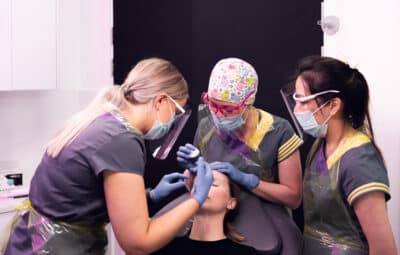
One-to-One Mentoring
Explore more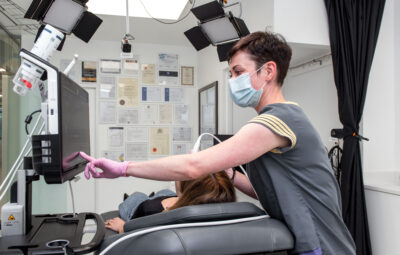
Facial Ultrasound
Explore more
Lip Filler
Explore more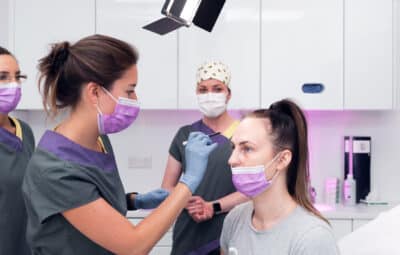
Botox
Explore more