What is Buccal Fat Removal? Procedure, Cost, Recovery & Results
Published 3 April 2025 | Reviewed 28 January 2026

In this post:
- Buccal fat removal is a surgical procedure that removes fat pads from the lower cheeks to create more defined facial contours and prominent cheekbones.
- The procedure takes 30-60 minutes under local anaesthesia, with recovery typically lasting 1-2 weeks and final results visible after 3 months.
- Ideal candidates have naturally round faces with prominent buccal fat pads, realistic expectations, and are typically over 25 years old.
- While buccal fat removal offers a contoured look, it carries significant risks, including facial asymmetry, nerve damage, and premature ageing.
Buccal fat removal has become one of the most talked-about cosmetic procedures in recent years, gaining attention through social media and celebrity influence. But what exactly is this procedure, and is it right for you?
This comprehensive guide explains everything you need to know about buccal fat removal, from the procedure itself to recovery, costs, risks, and alternatives. At the Smileworks Aesthetic Training HUB, we believe in evidence-based practice and helping both practitioners and patients make informed decisions about aesthetic treatments.
What is Buccal Fat?
Buccal fat pads are naturally occurring fat deposits in the lower cheek area. These fat pads serve several important anatomical functions:
- They provide structural support for facial muscles
- They assist with everyday facial movements including chewing, smiling, and speaking
- They contribute to the youthful fullness of the face
- They maintain facial volume as we age
Unlike subcutaneous fat that responds to diet and exercise, buccal fat is determined primarily by genetics. The size and shape of buccal fat pads vary significantly between individuals, contributing to each person’s unique facial structure.
Buccal fat pads are located:
- Between the buccinator muscle and several facial muscles
- In the hollow space between the cheekbones and jawbone
- On both sides of the face, symmetrically positioned
- Deep within the cheek structure, not just beneath the skin
It’s worth noting that buccal fat is one of the few facial fat pads that doesn’t degrade as quickly with age–a crucial consideration when evaluating candidates for long-term effects of removal.
What is Buccal Fat Removal?
Buccal fat removal, also known as buccal lipectomy or cheek reduction surgery, is a surgical procedure designed to reduce the fullness of the lower cheeks by partially or completely removing the buccal fat pads. The goal is to create more defined facial contours, enhance cheekbone prominence, and achieve a slimmer, more sculpted appearance. This procedure typically involves:
- Creating an incision inside the mouth (typically near the second upper molar)
- Identifying and carefully accessing the buccal fat pad
- Removing a portion of or all of the fat pad
- Closing the incision with dissolvable sutures
The procedure is relatively quick, usually taking no more than 30-60 minutes, and can be performed under local anaesthesia with or without sedation. Recovery typically involves a few days of swelling and mild discomfort, with final results becoming visible as swelling subsides.
Who Performs Buccal Fat Removal?
Buccal fat removal should only be performed by:
- Qualified plastic surgeons or maxillofacial surgeons
- Board-certified cosmetic surgeons with specific training in facial procedures
- Experienced practitioners in accredited surgical facilities
Always verify your surgeon’s credentials, experience with this specific procedure, and clinical photographs before proceeding.
Buccal Fat Removal Recovery & Results
Recovery Timeline
Understanding the recovery process helps set realistic expectations:
Days 1-3:
- Moderate swelling and bruising inside the mouth
- Discomfort when chewing or opening the mouth wide
- Soft diet required (liquids, smoothies, mashed foods)
- Pain managed with prescribed or over-the-counter medication
Week 1-2:
- Swelling begins to subside
- Gradual return to normal diet
- Most people return to work after 3-7 days
- Avoid strenuous exercise
Weeks 3-4:
- Most swelling resolved
- Resume normal activities including exercise
- Early results becoming visible
Months 1-3:
- Final results emerge as residual swelling completely resolves
- Full facial contour changes apparent
- Incisions fully healed
Expected Results
When performed correctly on appropriate candidates, buccal fat removal can:
- Create more defined cheekbones
- Slim the lower face
- Enhance facial contours
- Provide permanent results (removed fat doesn’t return)
Results are permanent because removed fat cells don’t regenerate. However, natural ageing, weight fluctuations, and other facial changes continue to occur.
How Much Does Buccal Fat Removal Cost?
In the UK, buccal fat removal typically costs £2200 – £5000 depending on the surgeon’s experience, facility fees, types of anaesthesia used, and geographic location (London clinics are typically more expensive).
Additional costs may include consultation fees, follow-up appointments, and any prescribed medications to take during the recovery process. Buccal fat removal is considered cosmetic and is not covered by the NHS or private health insurance.
Who is a Good Candidate for Buccal Fat Removal?
Ideal candidates typically have:
- Naturally round or ‘chubby’ cheeks due to prominent buccal fat pads
- Realistic expectations about outcomes
- Good overall health with no contraindications to surgery
- Completed facial development (typically over 25 years old)
- Stable weight
- Non-smokers or willing to quit before surgery
Who Should Avoid Buccal Fat Removal?
This procedure is generally not recommended for:
- People under 25 (facial structure still developing)
- Those with already thin or hollow faces
- Individuals who have recently lost significant weight (wait until weight stablises)
- People seeking a solution to general facial fullness (which may be better addressed through weight loss or other treatments)
- Those with unrealistic expectations or body dysmorphia
A thorough consultation with a qualified surgeon is essential to determine candidacy.
Buccal Fat Removal Risks
As with any surgical procedure, buccal fat removal carries both immediate and long-term risks that should be thoroughly discussed with patients. Many of these complications can be mitigated when the surgery is performed by a medical doctor with years of training and experience under their belt. If you’re considering this procedure, always do your research.
Immediate Surgical Risks
- Nerve damage: The buccal nerve runs through this area and if damaged can cause numbness, tingling, or even motor dysfunction in parts of the face
- Infection: Though rare, infections can occur at the surgical site
- Asymmetry: Uneven removal can result in facial imbalance
- Bleeding and bruising: Common but typically minor complications
Long-term Aesthetic Risks
- Accelerated facial ageing: Removing structural fat can lead to premature sagging and hollowing
- Irreversibility: Unlike fillers, removed fat pads cannot be replaced
- Changing facial dynamics: The procedure may alter how the face moves during expression.
- ‘Trend Regret’: As aesthetic ideals inevitably shift, patients may regret permanent changes
Considering the Ageing Face
Perhaps the most significant risk is how buccal fat removal affects the natural ageing process. When done on the wrong patient, it can create a prematurely aged appearance.
As we age our faces naturally lose volume, including fat, muscle, and bone density. Removing buccal fat in one’s twenties or thirties can accelerate this process, potentially resulting in:
- Premature facial hollowing
- More pronounced nasolabial folds
- Increased jowling and sagging
- An overall gaunt appearance
This is why many qualified aesthetic doctors advise against the procedure, especially for younger patients or those with naturally thin faces.
The Trend of Buccal Fat Removal
While buccal fat removal has existed for decades, its popularity surged dramatically in the early 2020s. Understanding why helps contextualise the procedure’s risks and benefits.
The popularity of buccal fat removal can be traced to several cultural shifts in aesthetics:
The Rise of Facial Contouring
The 2010s saw an explosion in contouring makeup techniques that created the illusion of more defined facial features. As demand for more permanent solutions grew, surgical and non-surgical facial contouring procedures became increasingly popular.
For some patients, buccal fat removal offered a way to achieve sculpted cheekbones without ongoing makeup or filler treatments.
Celebrity Influence
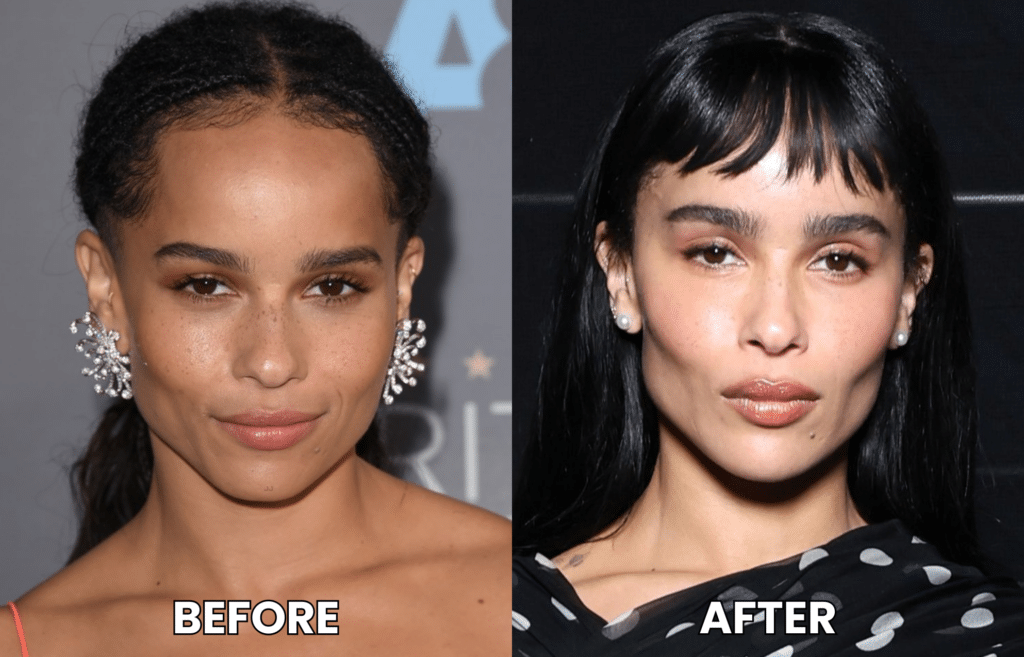
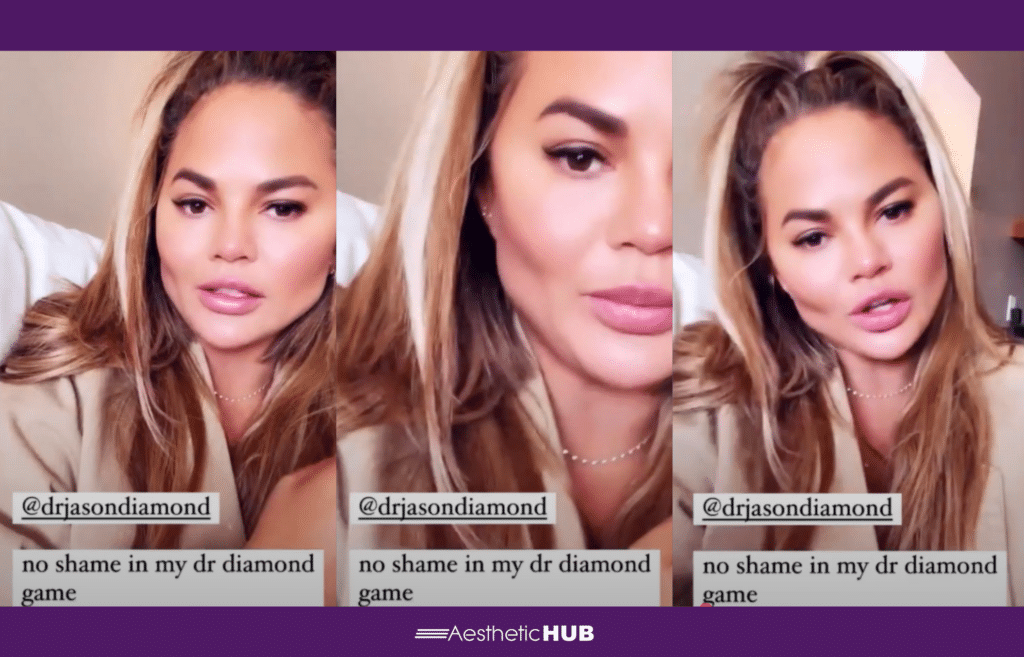
Several high-profile figures have been speculated to have undergone the procedure, though few have openly discussed it. In late 2022, Chrissy Teigen became one of the few celebrities to publicly acknowledge having the surgery, bringing the procedure into mainstream conversation.
Social Media Aesthetics
The prevalence of photo filters and carefully posed selfies has created a distorted perception of what people actually look like. The ‘Instagram face’–characterised by high cheekbones, hollow cheeks, and a defined jawline–has become the look everyone strives for. Those interested turn to procedures that can deliver this look, buccal fat removal being one of them.
Trends vs. Timelessness
It’s crucial to recognise that facial aesthetic trends change rapidly. What is desirable today may not remain so in five or ten years. The gaunt, hollow-cheeked look may fall out of favour just as other aesthetic trends like the BBL have.
Unlike temporary treatments, buccal fat removal is permanent and irreversible. When the trends inevitably shift, patients cannot simply add the fat pads back in or fill in your face with dermal fillers to get your old face back. Once the buccal fat is gone, it’s gone.
Buccal Fat Removal Alternatives
For aesthetic practitioners committed to helping their patients achieve their aesthetic goals without resorting to permanent surgical solutions, several alternatives exist:
Temporary Aesthetic Solutions
- Facial contouring makeup: Professional makeup techniques can create the illusion of more defined cheekbones
- Masseter Botox: Reducing the size of the masseter muscle can slim the lower face without removing fat. Lasts up to 3-4 months.
- Dermal fillers: Strategic placement of fillers can enhance cheekbones and improve facial proportions. Lasts up to 2 years.
- Thread lifts: Can provide subtle lifting and contouring effects. Lasts up to 3 years.
- Radiofrequency treatment (e.g. Morpheus8): Can tighten skin and improve facial contours. Lasts up to 3 years.
Lifestyle Approaches
- Weight management: Weight loss may reduce facial fullness for some patients who have weight to lose. Be careful with this though. Losing weight too quickly can result in ‘Ozempic face’.
- Reducing salt intake: Can minimise facial bloating that contributes to fuller cheeks
- Facial massages/exercises: May help tone facial muscles, improve definition, and reduce fluid retention
Making an Informed Decision
As aesthetic practitioners, our goal should be to enhance our patients’ natural beauty while protecting their long-term well-being. Buccal fat removal can deliver excellent results for carefully selected candidates, those with genuinely prominent buccal fat pads causing disproportionate facial roundness.
However, the procedure is not appropriate for everyone, and the potential for regret and complications warrants a conservative, thoughtful approach. If you’re considering buccal fat removal:
- Consult with multiple qualified surgeons
- Review extensive before & after photos
- Ensure you’re over 25 years old (facial development complete)
- Consider trying non-surgical alternatives first
- Think long-term about how this will affect your ageing face
- Verify you’re seeking the procedure for yourself, not to match social media trends.
For aesthetic practitioners, keep in mind the most successful professionals aren’t those who simply follow trends, but those who understand facial anatomy for aesthetics, ageing processes, and the principles of timeless beauty. There’s no better place to learn this treatment process than at the Smileworks Aesthetic Training HUB.

Learn From The UK’s Best Injectors
Discover the HUB – an esteemed aesthetic training centre based in the UK. We pride ourselves on our wide range of online and hands-on courses tailored for every skill level.
If you want to train in non-surgical buccal fat removal alternatives, the best starting point is our Botox & Lip Filler course. This course is best for beginners just starting out in the industry. You’ll learn all of the basics to start a flourishing aesthetics practice. All of our courses are designed specifically with medical professionals like doctors, dentists, and nurses in mind. You’ll walk away with the skills and knowledge necessary to start practicing on real patients right away.
Already have some injecting experience under your belt? Look no further than our Foundation Facial Ultrasound Course and our Advanced Facial Ultrasound Course, two musts for injectors who care about patient safety. Ultrasound is the single most important too for ensuring safe and effective treatments every time.
For those looking for more in-depth training, we recommend booking a one-to-one mentoring session with Dr MJ. These sessions at 100% customisable, and you’ll receive personalised instruction based on your skill level and goals.
It’s time to embrace the prospering world of aesthetic medicine. The HUB provides you with all the right training and guidance you need to succeed. Take control of your professional journey and step into a future filled with endless potential and opportunities.
Join us at the HUB. Let’s shape the future of aesthetic medicine together and ensure safe, effective, and transformative results for every patient.
Want to try out our courses before committing? Take advantage of our free trial for a taste of what learning at the HUB is like.
Related blog posts:
Remarkable Aesthetics Courses
Advanced Facial Ultrasound
Explore more
One-to-One Mentoring
Explore more
Facial Ultrasound
Explore more
Lip Filler
Explore more
Botox
Explore more